Drinking Water Safety Planning (Multi-supply programme)
Scope
Preparation of 13 Drinking Water Safety Plans and two source water risk management
plans for multiple supplies within a single council area, covering surface water and
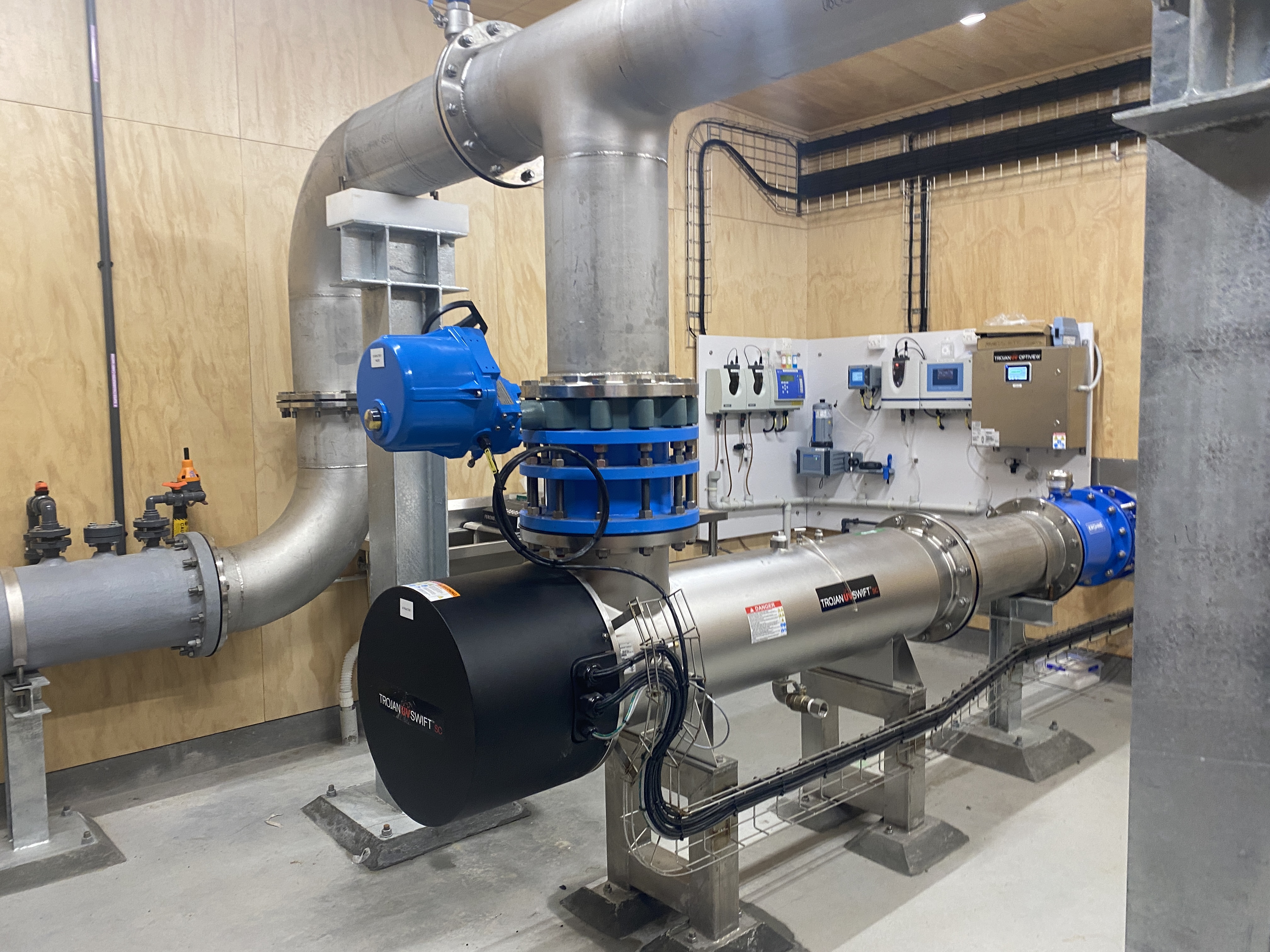
bore sources, conventional treatment plants and membrane systems, UV treatment and
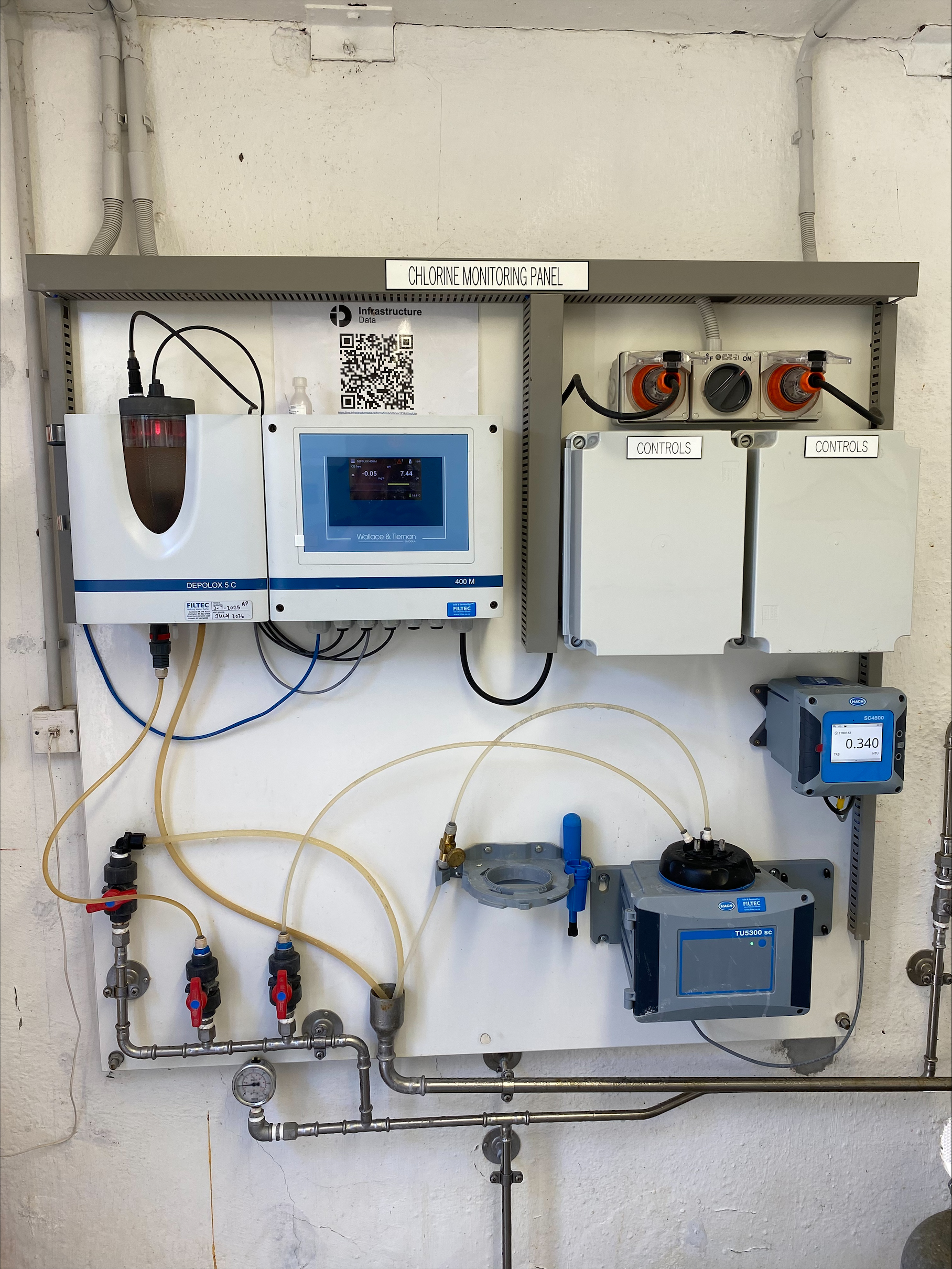
chlorination (gas and sodium hypochlorite).
Context
The programme was undertaken to align existing supplies with updated Water Services Act
requirements and associated regulatory expectations.
Approach
Site visits to all treatment facilities
Structured operator interviews and walk-through reviews
Review of surface water and bore source risks
Assessment of treatment processes
Identification of performance limitations in poorly performing plants
Analysis of SCADA data, water quality results, and historical compliance reporting
Follow-up data gathering with asset management, GIS, and compliance teams
Development of supply-specific risk registers and improvement programmes
Each plan was structured to meet Water Services Act requirements while remaining usable
for operational teams.
Outcome
Delivered regulator-aligned Water Safety Plans covering diverse treatment
configurations and source types, with clearly defined risks, control measures, and
prioritised improvement actions.
The programme improved consistency of risk identification across supplies and clarified
priorities for investment, operational focus, and regulatory reporting.
Disinfection Upgrade and Compliance Alignment
Context
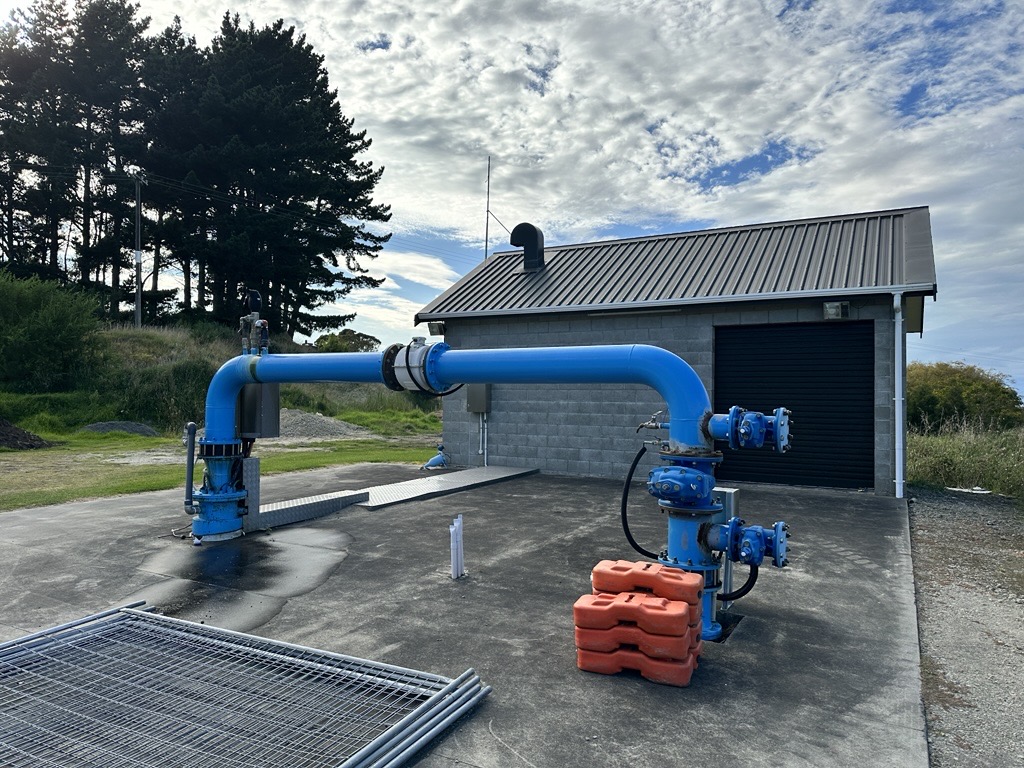
Review and upgrade of existing treatment plant to ensure compliance with the DWQAR,
provide multi-barrier protection and improve operational performance.
Scope
Engaged to identify compliance risks, develop upgrade pathways, and support the client
through funding approval, procurement, design and delivery.
Approach
Identification of water safety risks, non-compliance and poor performance
Preparation of governance-level briefing material outlining risks, implications, and
upgrade options
Development and evaluation of treatment upgrade options, including high level cost
estimates
Preparation of business case documentation to support funding approval
Assistance with procurement planning and delivery strategy
Preparation of technical specifications and tender documentation
Preparation of specimen design documentation, including P&IDs
Participation in tender evaluation and supplier assessment
Ongoing design review and technical oversight during project delivery
Outcome
Established a clear upgrade pathway aligned with regulatory requirements, secured
funding approval, and supported structured delivery of improved disinfection
performance and compliance resilience.
Water Quality Event Management and Interim Supply
Context
Support provided to a drinking water supplier during a water quality event requiring
regulatory notification and a boil water notice.
Scope
Engaged to assist the supplier in managing regulatory obligations, technical response
actions, and interim supply arrangements.
Approach
Notification and ongoing engagement with Taumata Arowai
Advising governance teams on the requirement to issue a boil water notice
Assisting in preparation of public communications
Reviewing plant performance, compliance and sampling data to inform response decisions
Supporting investigation of the underlying cause
Developing a safe interim supply arrangement, including temporary storage tanks and
disinfection procedures
Providing technical oversight to ensure safe water provision during the event period
Outcome
Supported structured regulatory engagement and clear governance decision-making, while
maintaining safe interim supply arrangements and progressing corrective actions.
HACCP and Critical Control Point Framework Development
Context
Development of HACCP-based risk management frameworks for eight drinking water
supplies, including bore and surface water sources, UV, chlorination (gas and
hypochlorite), coagulation, flocculation sedimentation and filtration.
Scope
Engaged to formalise hazard identification, critical control points (CCPs), and
operational monitoring requirements across diverse treatment configurations.
Approach
Working directly with site operators to develop practical, supply-specific HACCP plans
Systematic hazard identification across source, treatment, and distribution stages
Identification and validation of critical control points
Definition of critical limits, monitoring requirements, and corrective actions
Alignment of CCP documentation with plant controls, operational practice and
compliance requirements
Outcome
Established structured and consistent CCP documentation across all eight supplies,
improving clarity of operational controls and strengthening overall risk management for
the supplier.